
“IF WE FIGHT LIKE ANIMALS, WE DIE LIKE ANIMALS!”: Genesis

Well, it could be worse. A lot worse.
I’ve been looking forward to revisiting “Genesis” since I first started this project. Of all the episodes of Star Trek I remember, this is the one that has the absolute widest gulf between popular opinion and my own recollections. Fan consensus on this story is that it’s about as bad as it can possibly get-The only episode that seems to regularly beat it out for the title of Worst Star Trek: The Next Generation Episode Ever Made is, deservedly, “Code of Honor”. It’s at least regarded as one of the nadirs of the series, and of the franchise as a whole. But I remember being utterly mesmerized by this one back in the day-It’s another story whose imagery has haunted me ever since, and I remember immediately taking to it for its grotesque surrealism and dark, foreboding atmosphere. Prior to this rewatch I’d actually only ever seen this episode once, way back when it aired in 1994: I’d always avoided watching it again because I wanted to save it for a time when I could give it a fair and sober evaluation, and also because I probably always knew it was never going to be as good as I remembered it as being.
And it’s not. “Genesis” is no masterpiece of popist abstraction in the same way even “Eye of the Beholder”, “Phantasms” and “Dark Page” are. But it is significantly better than people give it credit for being…Or at least there are parts of it that are definitely deserving of praise and attention that people tend to ignore and disregard while in a rush to mock its sillier aspects. You could call it a Curate’s Egg (“parts of this disaster are excellent!”) if you were so inclined, but I think even that’s being a bit unfair. I found “Genesis” to be an entirely enjoyable and watchable (well, mostly), albeit goofy, outing with some really outstanding cinematographic touches worth taking some time to look at.
So let’s get the big thing out of the way right off the bat. The plot device makes absolutely no damn sense. But let’s be careful here: This isn’t to say the plot makes no sense. Actually, it makes perfect sense, it just doesn’t make sense in a way Star Trek fans like. What doesn’t make sense is the technobabble stuff, all that business about introns and junk DNA and synthetic T-cell viruses. The script’s conception of evolution is notoriously scientifically wonky, and there’s absolutely no getting around that. But it’s actually not as terrible on this front as you might expect: It’s actually very careful to avoid falling into the trap of presenting biological evolution as teleological-I don’t think the phrases “lower life form” or “higher life form” appear anywhere in the script, and the central artistic license hinges on the fact that all life shares common ancestors somewhere up the tree, which isn’t actually inaccurate, it’s just vague.…
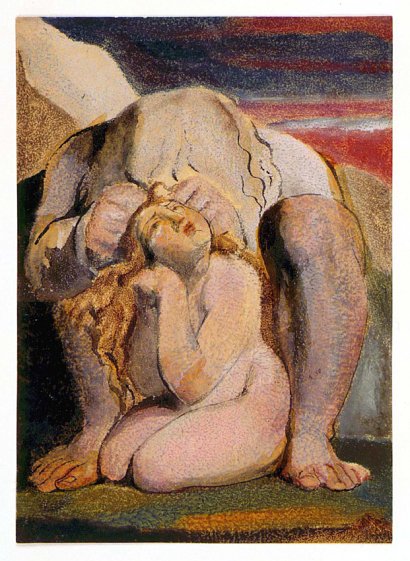
 Blake’s sense of doom and futility in this period is impossible to escape. He fashioned himself a prophet, yes, but his prophecies augured nothing good. Urizen’s tyranny seems inescapable, with every avenue of resistance doomed to sputter out or turn against itself. Even the grim eschatology of an unrelenting march towards doomsday would seem in some ways more optimistic than the utter despair of The Book of Urizen, which ends with a description of how “Beneath the Net of Urizen; / Perswasion was in vain; / For the ears of the inhabitants, / Were wither’d, & deafen’d, & cold; / And their eyes could not discern, / Their brethren of other cities.” The end, after all, is at least a form of escape and change. Blake, however, saw no escape or hope within his visions, writing in one of his notebooks in 1793 that “I say I shant live five years And if I live one it will be a Wonder.”…
 You were supposed to be getting Shabcast 18 this week… but it vanished into the ether, owing to a malicious and inexplicable failure of my recording software. The Mailer Daemon collected it and conducted it to internet Hades. It was great too. I had Gene Mayes and (at last!) Jon Wolter in, and we chatted about Umberto Eco, Jorge Luis Borges, Italo Calvino, etc, in a podcast that was a lot sillier, funnier and more ribald than the subject matter really warranted. But, as I say, it is lost forever, doomed to live on only in the memories of the three men who experienced it… which, in a way, makes it all the more precious. One day, it will be the most sought of all lost Jack Graham-related media, and take on a near-mystical reputation, rather like London After Midnight, or Orson’s cut of Ambersons. I actually remember very little about it, as I was somewhat drunk and we were recording in the wee small hours here in Britain, and I spent most of the discussion in a haze of fatigue and mild inebriation. I seem to recall that we talked about the hip-hop musical Hamilton, which apparently at least one podcast listener is desperate to hear me talk about. Well, that listener lost their one and only chance. They’ll never hear what I said. Not even the bit where the three of us imagined a hip-hop musical about Garibaldi, written by Umberto Eco, and I said I’d go to the theatre heavily armed and force the cast to perform for me at gunpoint.
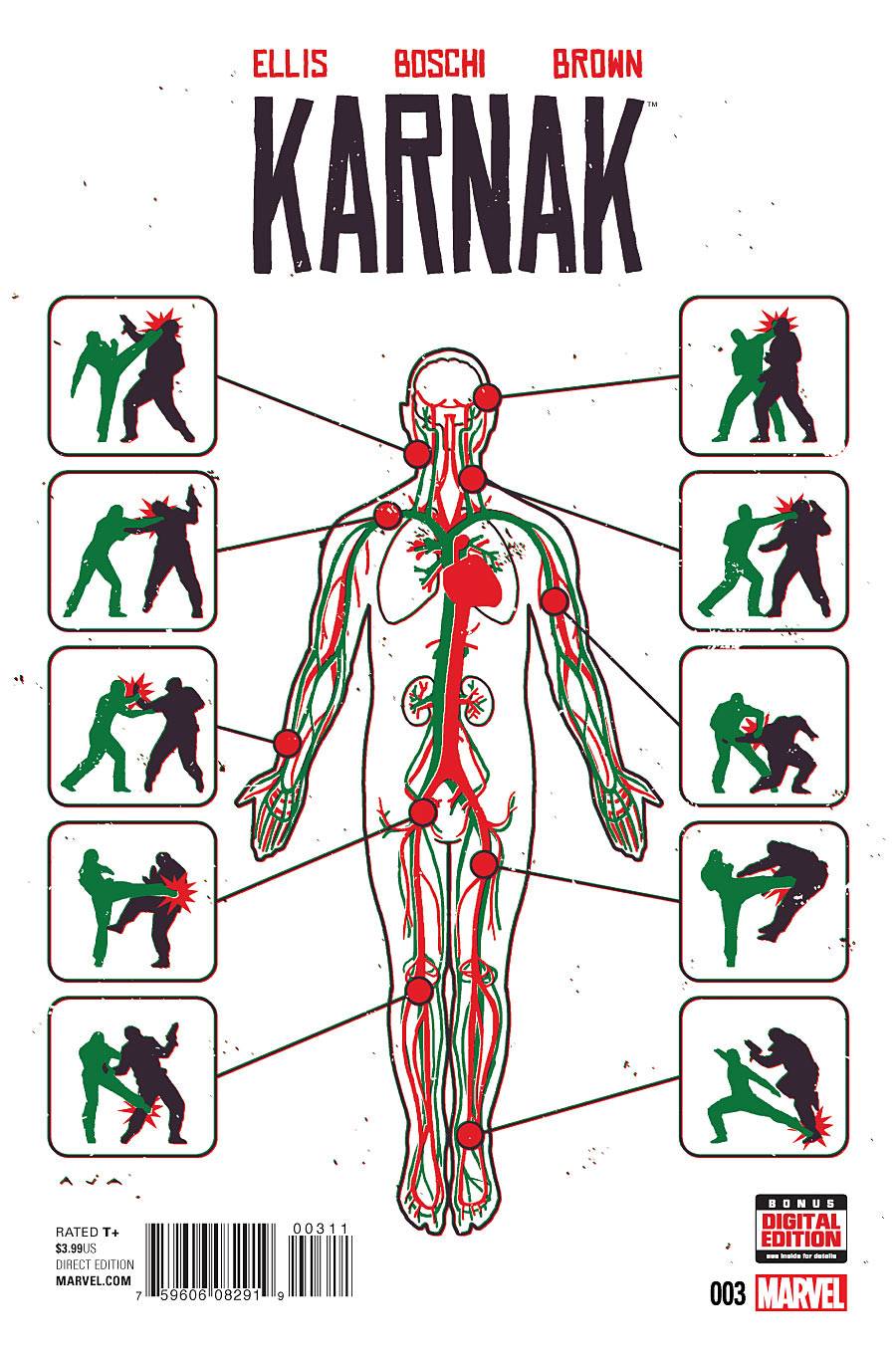 James Bond: Vargr #6
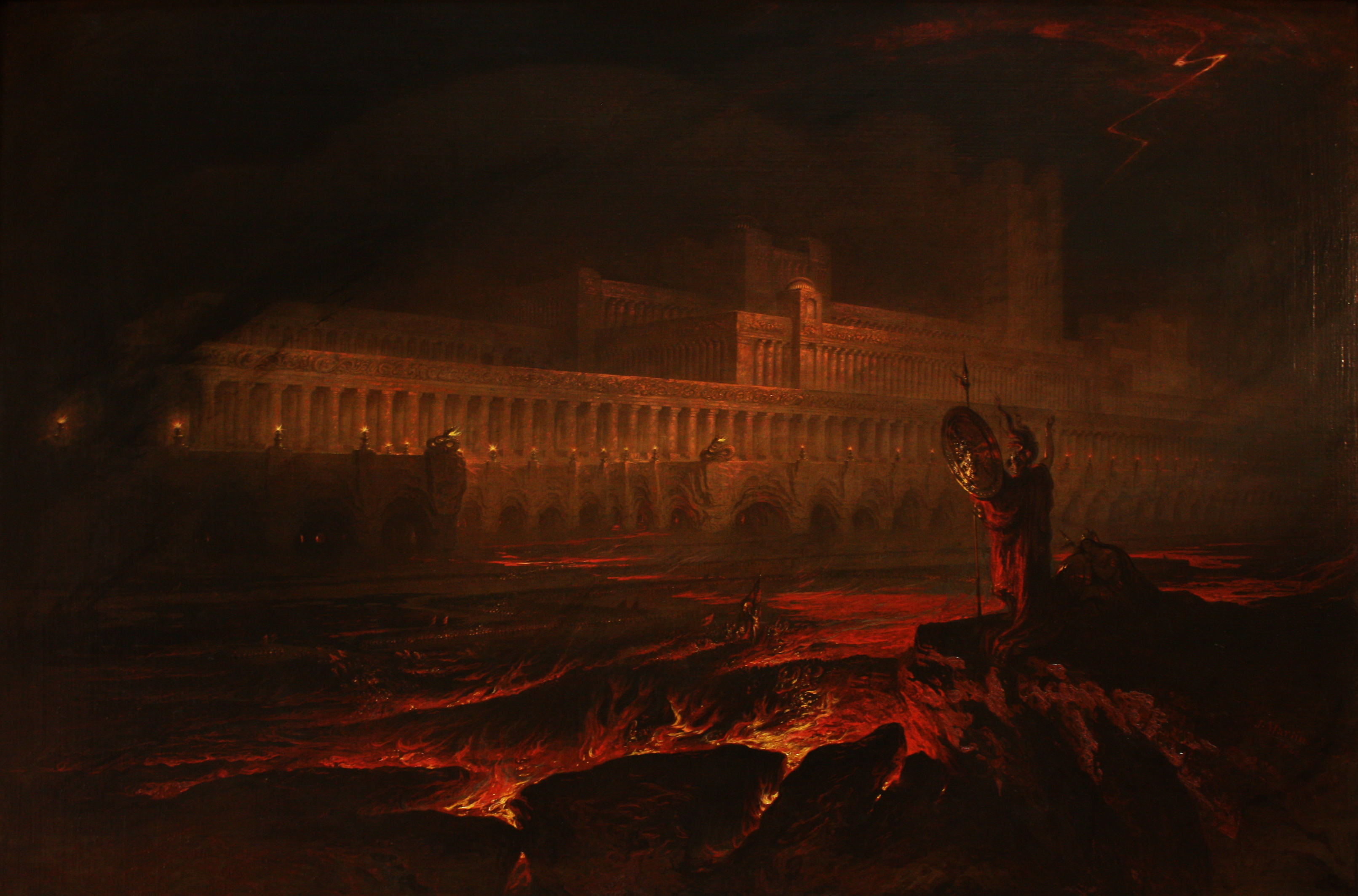 In preparation for the May launch of our Kickstarter for it, we’re running excerpts of Neoreaction a Basilisk. This is from quite early in the book while I’m introducing my three main characters of Eliezer Yudkowsky, Mencius Moldbug, and Nick Land.
 Yes, that’s really how it ends; the most secret of histories is always is the real one. That gnostic gap between what we know happened and what happened. The facts are these: