
Thinking Out Loud on TERFs
Promoting a Kickstarter is far from an exact science, but this seemed to work well for the Lizard People essay, so here goes for TERFs. As before, if all of this sounds interesting and you want it to happen, the trick is to back Neoreaction a Basilisk on Kickstarter. I suspect that if we can make $12k and the TERFs essay by the end of the weekend, the end-of-campaign momentum over the last two days will take us over the $14k line.
Anyway, TERFs, or Trans-Exclusionary Radical Feminist. Basically, a set of feminists for whom a major (or at times the major) component of their feminism is the belief that trans women are not real women and ought be excluded from female spaces. More virulent strains consider the entire notion of being trans an excuse for men to invade women’s spaces and treats all trans women as rapists. They are, as you can imagine, absolutely fucking terrible. And they’re terrible in ways that aren’t dissimilar to how various bits of the alt-right are terrible. (In fact, one of the notable things about them is their willingness to work with right-wing groups on things like bathroom bills.) So they seemed an interesting counterpoint to put in the book.
Anyway, thinking about it further, one obvious angle to take is the larger theoretical question of the Sister Souljah moment – the question of why it seems important to take a shot at your own side. And this gets into larger questions of the leftist circular firing squad that feel meaty and worth exploring. Why do we do this? Should we stop? The answer to that last question “not entirely,” of course, and that in turn circles to the question “OK, so why are TERFs on the wrong side of that line, and what does that tell us about the line?”
But there are also a lot of questions about paranoia and conspiracy theories that feed in with the rest of the book. One of the central metaphors will, as I’ve said, be Janice Raymond’s book The Transsexual Empire, which has always stood out to me as an utterly bonkers metaphor, ascribing the staggering amount of power implied by “empire” to one of the most brutally downtrodden populations imaginable. And in a manner consistent with the sort of barmy thought of, say, the Austrian School or David Icke, this sort of frenzied tautology that erases all other concerns no matter how reasonable.
I’m also interested in what TERFs reveal about the history of feminism and social justice – the extent to which it’s a phenomenon of the second wave (which I deal with a bit in A Golden Thread, actually), and reveals the way in which leftist “progress” actually works in a way that’s rather more intelligent than Moldbug’s dumb-ass “Cthulhu always swims left” nonsense. This’ll also involve looking at the hijacking of Stonewall and the way in which a sequential narrative whereby gay rights preceded trans rights was constructed in the first place, and end up looking at the way in which a largely silenced trans history existed and has finally started to reassert itself, including how the fight for survival against TERFs prefigured the wider civil rights fight. …
 First – welcome Josh!
 During the decade roughly spanning the years 1985-1995, Western animation, previously seen as something of a washed-up embarrassment of an industry that only produced patronizing throwaway entertainment for particularly dumb children, underwent a widespread creative and commercial renaissance. One of the pioneering studios of this period, which animation historians have imaginatively dubbed “The Renaissance Age of Animation”, was Disney, whose new CEO Michael Eisner (whom longtime readers will recognise as the former chief of Paramount who worked with Gene Roddenberry on Star Trek Phase II) sought to reverse the company’s ailing fortunes by doubling down on creative quality control. For inspiration, Disney’s animators looked to (in some cases copied) the style of Japanese anime, which was at its zenith in the mid-80s, and in particular the work of Hayao Miyazaki. The initial result of this was Adventures of the Gummi Bears, a high-profile Saturday Morning Cartoon Show that revitalized the block and genre by emphasizing high production values, tight, quality storytelling and a strong focus on fantasy action and adventure narrative. Adventures of the Gummi Bears was an international smash hit, singlehandedly ushered in a brand new age for animation and forced Disney’s competitors to follow suit to keep up.
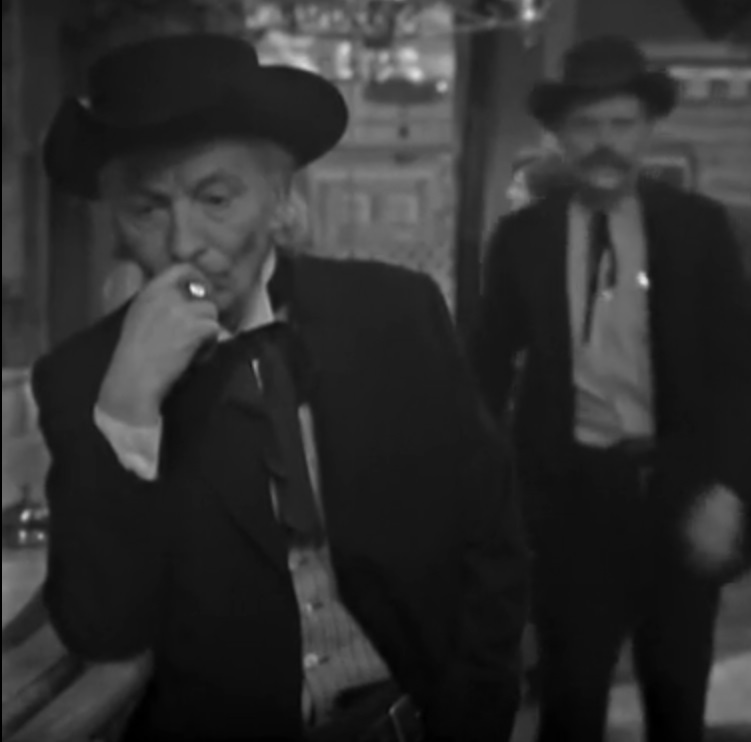 The Pex Lives boys are back to talk about the only Doctor Who story to rival Paradise Towers for the sheer amount of utterly unwarranted vitriol to have been thrown at it, namely The Gunfighters. Along with a discussion of three classic Gary Cooper westerns, High Noon, Man of the West, and The Hanging Tree. It’s a good time for people who like it when other people get shot, and
 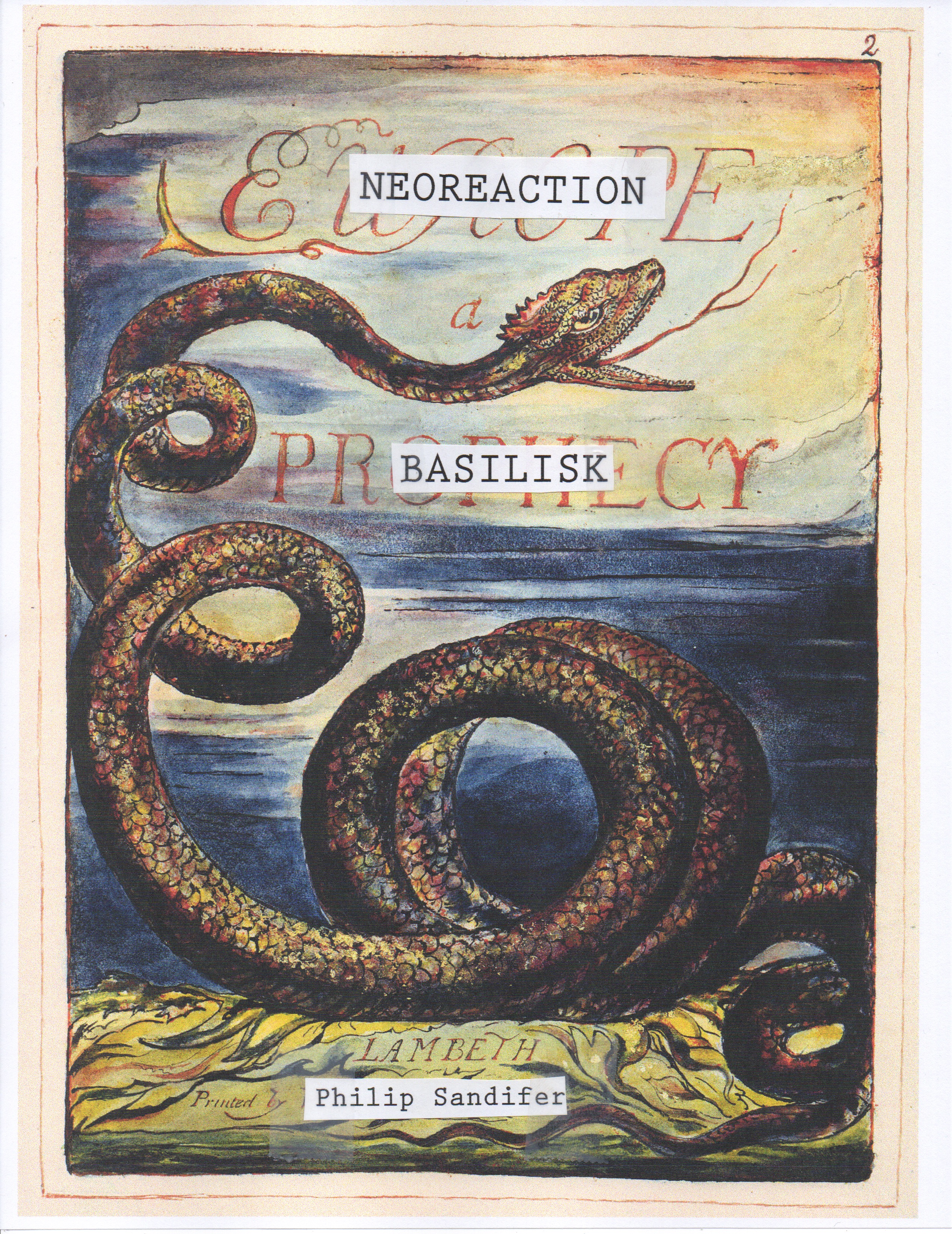 A bevy of Neoreaction a Basilisk stuff as we head into