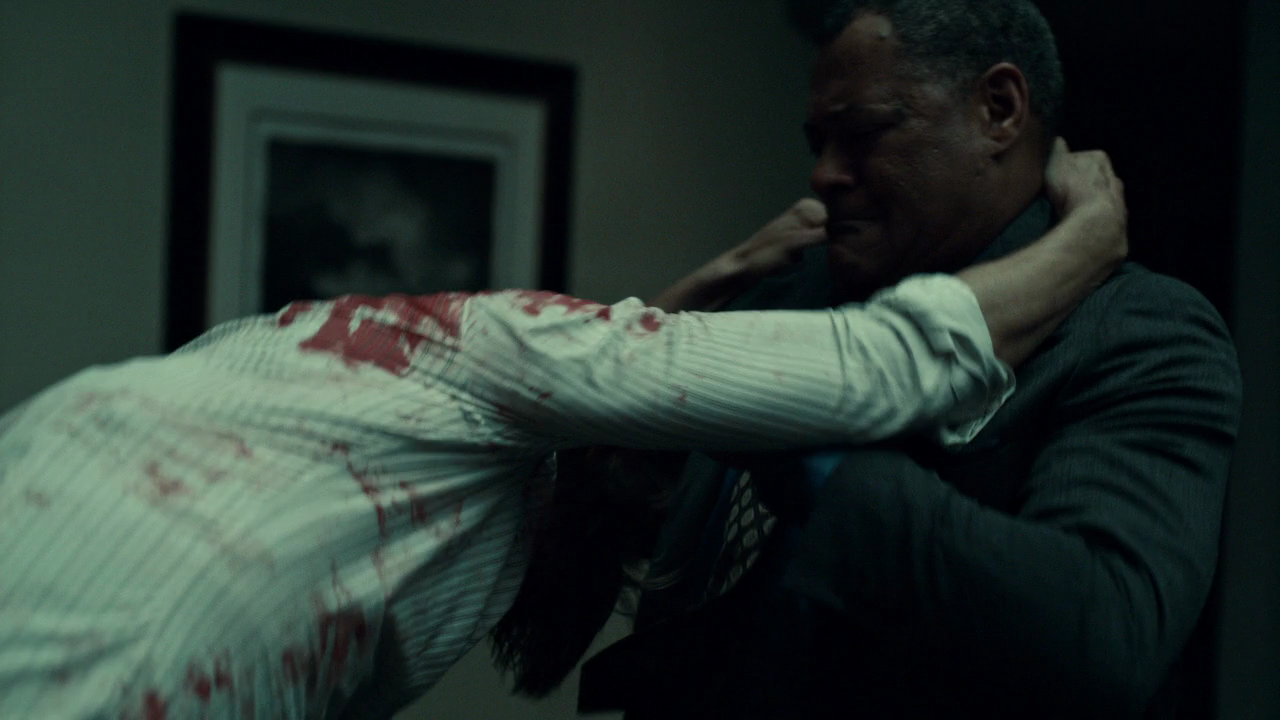
The Proverbs of Hell 16/39: Hassun
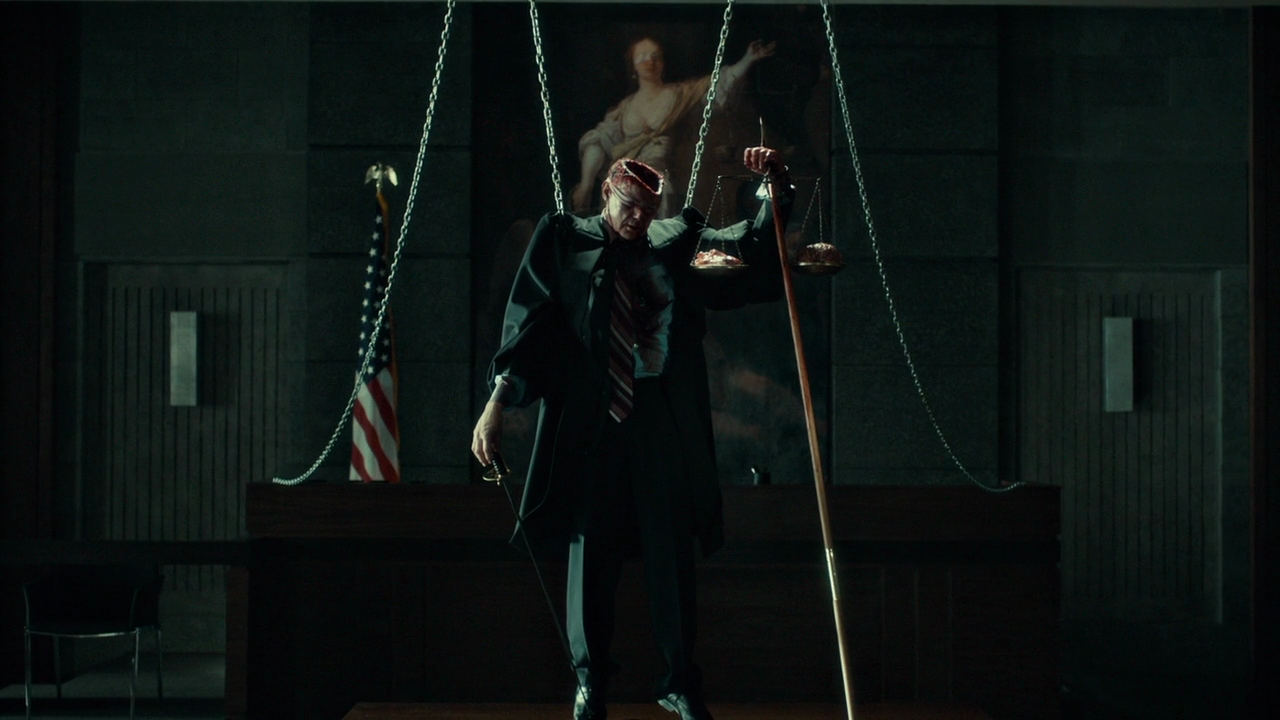 HASSUN: A sushi course with small side dishes that sets a seasonal theme. Janice Poon discusses it in terms of balancing opposites, which could be made related to the weighing of guilt and innocence involved in a trial with relatively little critical legerdemain.
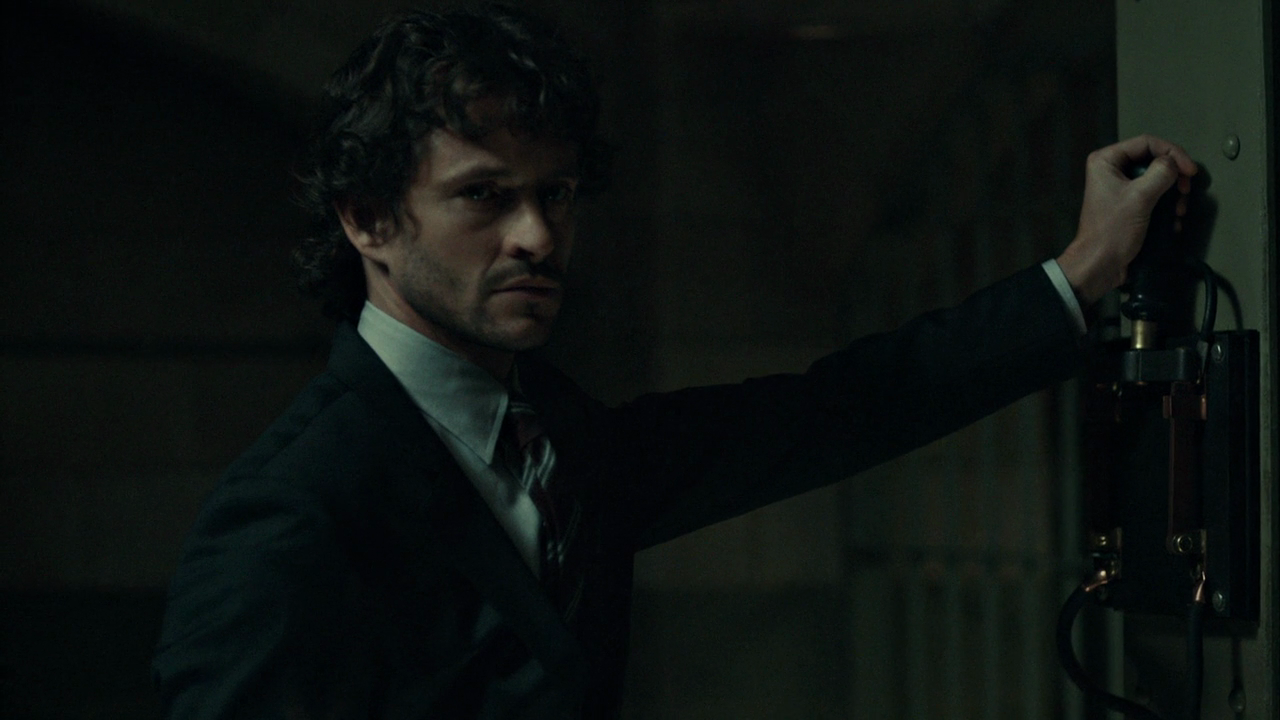
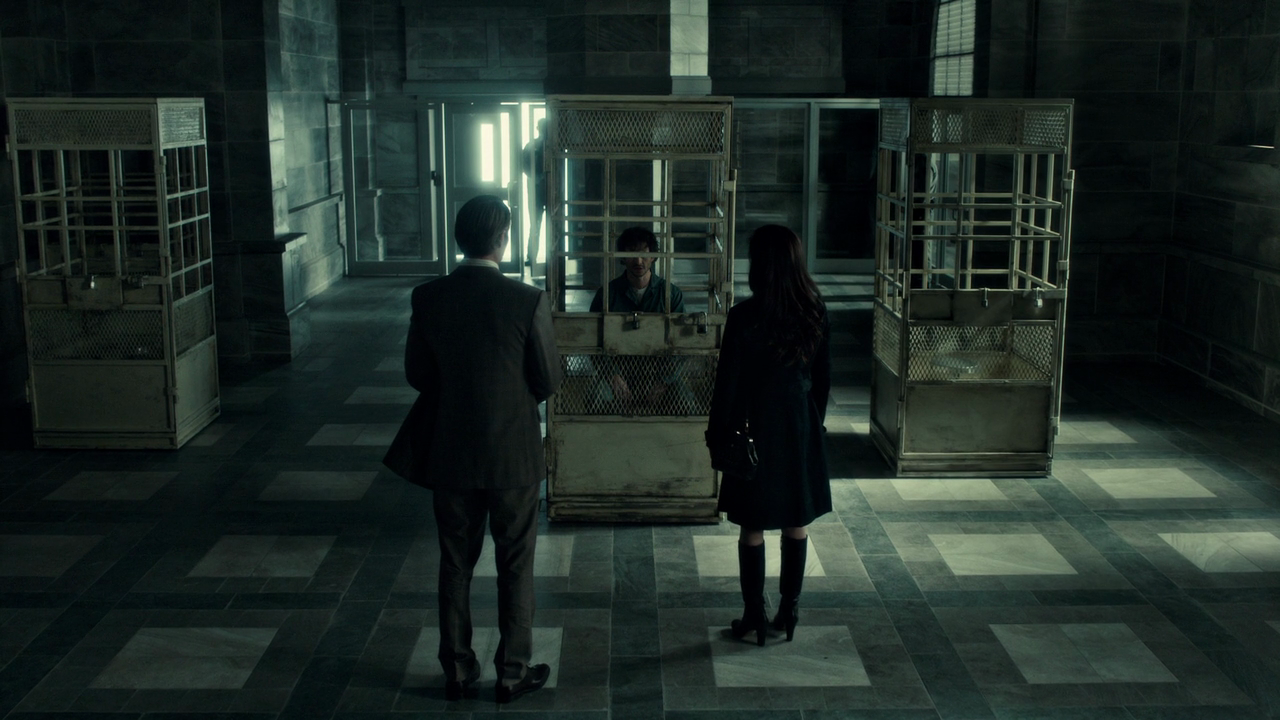
A bewildering and suggestive opening image as Will is shown imagining his own execution from the perspective of the executioner. This is an entirely plausible thing for Will to do – indeed the idea that Will would actively try to empathize with his potential executioner is really interesting. But its substance is in practice merely “unsettling cold open,” the impact of the image left entirely for the viewer instead of the narrative. In one sense this is emblematic of the episode, which is very much the season’s “Œuf.” It’s actively identified by Fuller as the weak link, and sees the show attempting its spin on courtroom drama instead of police procedural, only to find that the move to the second half of Law and Order is a step further than the forced perspective brilliance of its iconography can sustain.
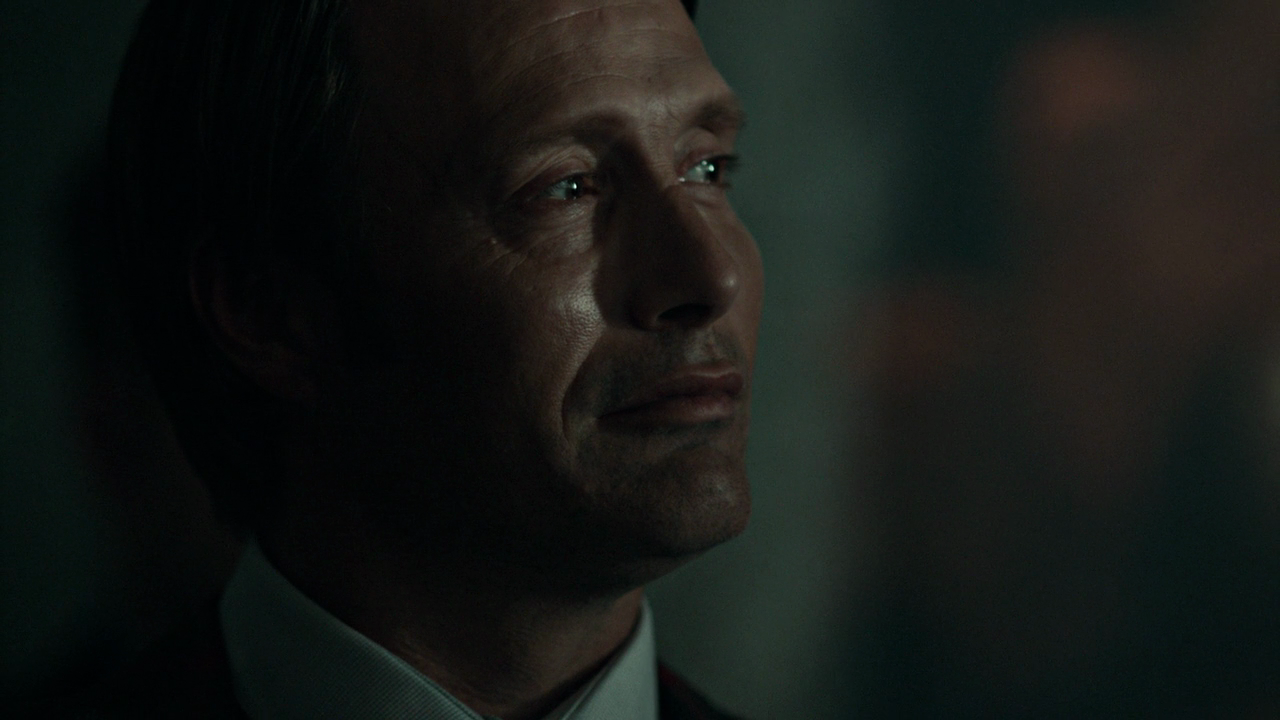
This smirk off the line where the prosecutor asserts that Will is the smartest person in the courtroom is interesting; its most superficial reading is standard issue “Hannibal gloating about how clever he is,” and yet given the depth of his investment in Will’s development it’s equally likely that this is a smile of genuine satisfaction that his friend is finally getting the critical reception he deserves.
JACK CRAWFORD: My instincts have not yet arrived at conviction.
KADE PRURNELL: Mine have. With the benefit of no prior involvement and no personal connections to the accused.
JACK CRAWFORD: Meaning, I can’t be impartial.
KADE PRURNELL: Of course you can be impartial. But right now, you’re not. You have to believe something. As long as there is reason and evidence to believe. You have reason. You have evidence.
It’s interesting that Prurnell’s case here frames belief as a moral obligation as opposed to a logical consequence. She is, after all, presumably not saying that all things there is both evidence for and some reason to believe are true. Rather, she is suggesting that an FBI agent has a duty to believe in these circumstances that Jack is being lax in. For all his faults, even Jack ain’t buying that bullshit.
JACK CRAWFORD: He can think like anybody. He has pure empathy and projection. He can imprint profiles on the blank slate of his mind for us to read.
MARION VEGA: Sounds like a supervillain.
Transparently untrue; a supervillain with such a thoroughly non-offensive power would be an extremely bizarre idea. A power like this is far more suited to a superhero, or, better yet, the troubled protagonist of some overly pompous post-House cop drama. Which is to say that perhaps genre-based narratology is not a great alley for Hannibal to wander down.
…HANNIBAL: Tell me, Jack. Was your testimony meant to be a resignation?
JACK CRAWFORD: Something very appealing about walking away from all the noise.
 I cannot possibly review Seeming’s new album
 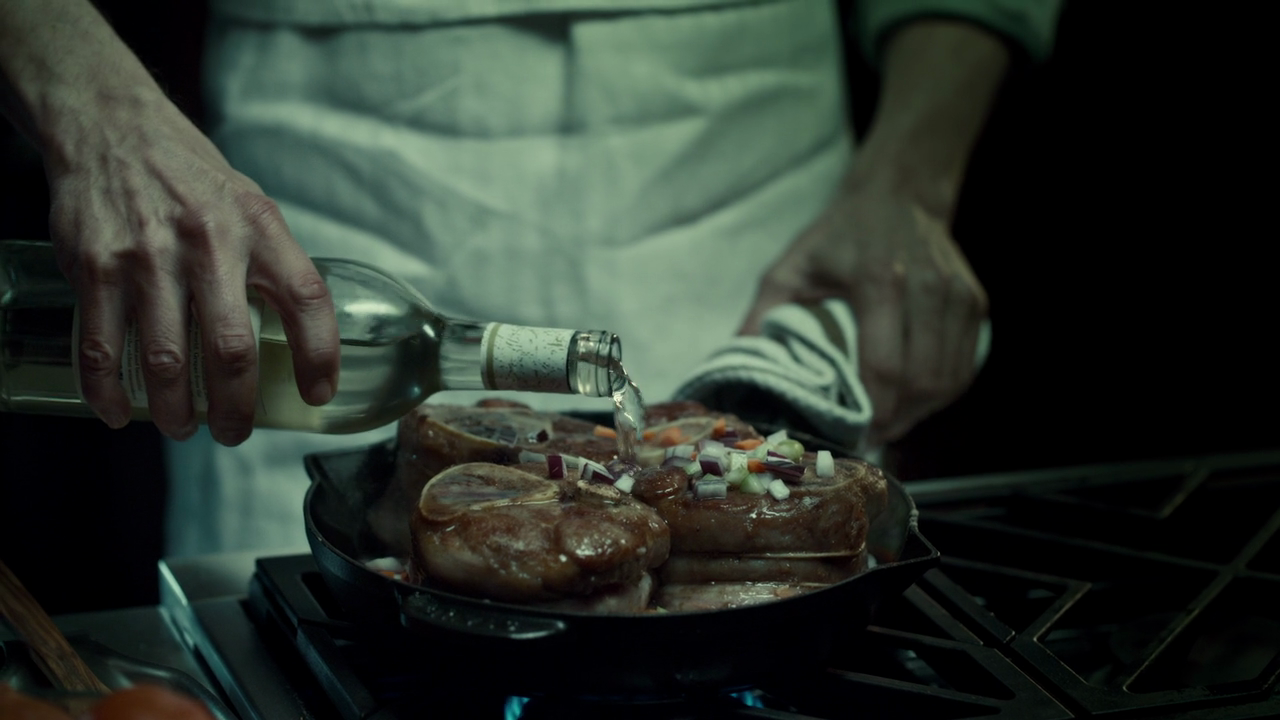 SAKIZUKE: Variantly spelled “sakizuki” and “saki-zuke,” the latter on Janice Poon’s blog, where she describes it as “a sampling of small appetizers whose ingredients, garnishes, and dishware sets the tone for the season and invites the gods to partake of the meal.” Wikipedia, meanwhile, directly compares it to an amuse-bouche, I.e. the second episode of the first season.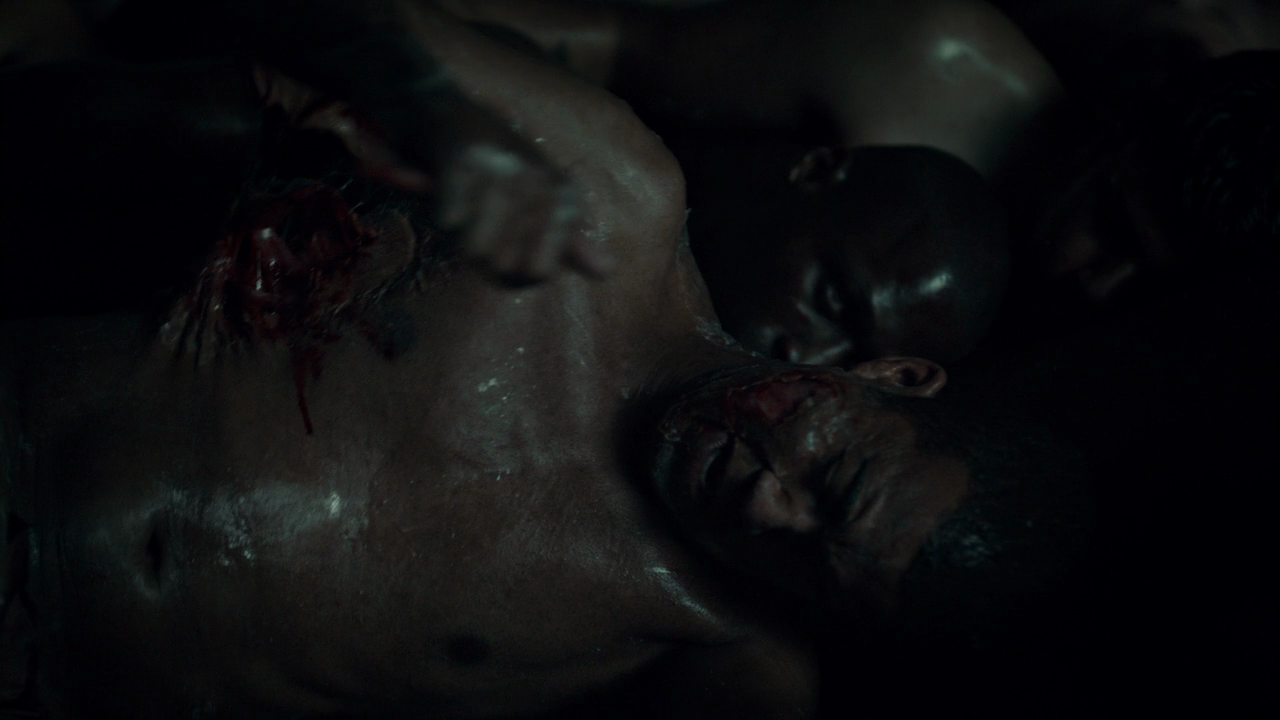
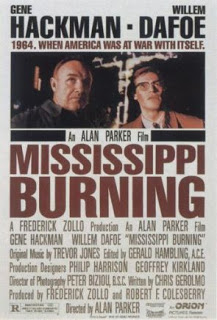 Wrong With Authority, the podcast where four white guys talk about movies based on real historical events, returns… and this time we’re talking about Mississippi Burning (1988), a travesty of the story of three civil rights workers – Schwerner, Chaney and Goodman – who were murdered in Mississippi in 1964 by the Klan/cops/state government (all essentially the same thing at that point).
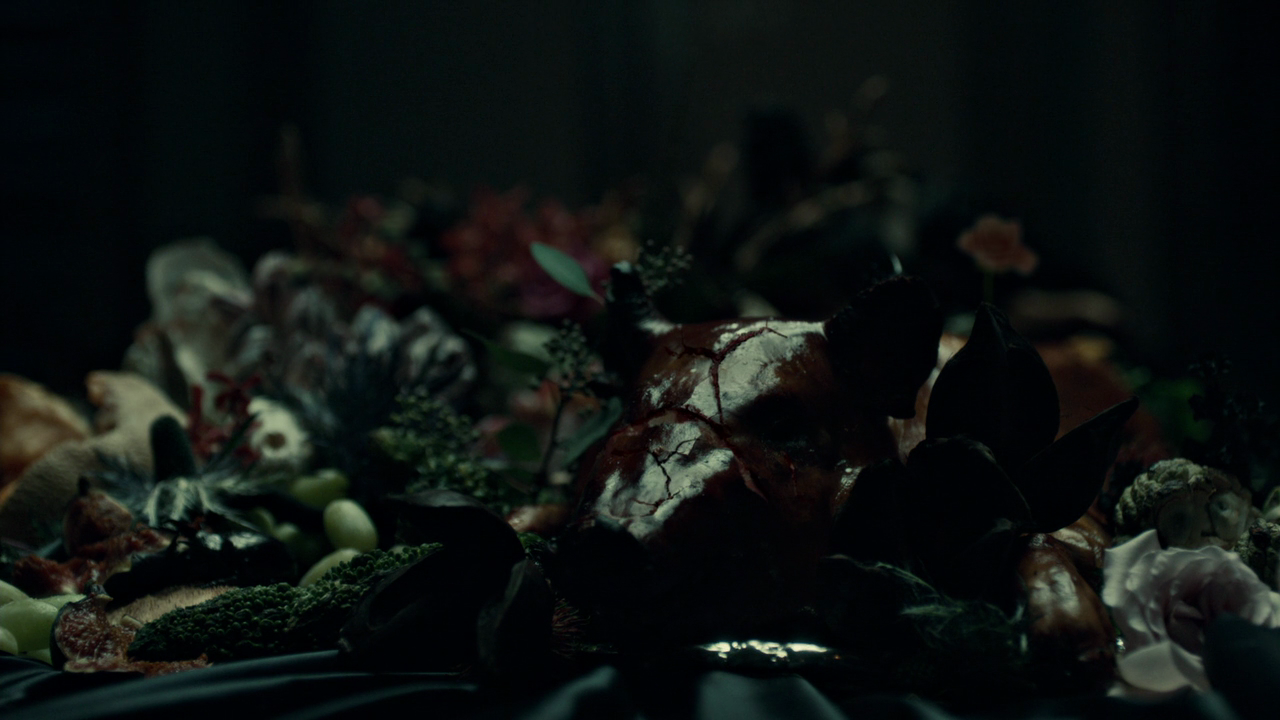 KAISEKI: An umbrella term for multi-course meals in the Japanese style – roughly equivalent to what renaming “Apéritif” to “Haute Cuisine” would imply. The gesture towards the whole season makes sense for an episode that opens with a flash forward to the finale. (I should disclaim that my knowledge of Japanese cooking is wildly less than my knowledge of French cooking, and that I’m going to be much more reliant on Wikipedia for these than I was for the first 13 parts.)