
The Proverbs of Hell 34/39: The Great Red Dragon
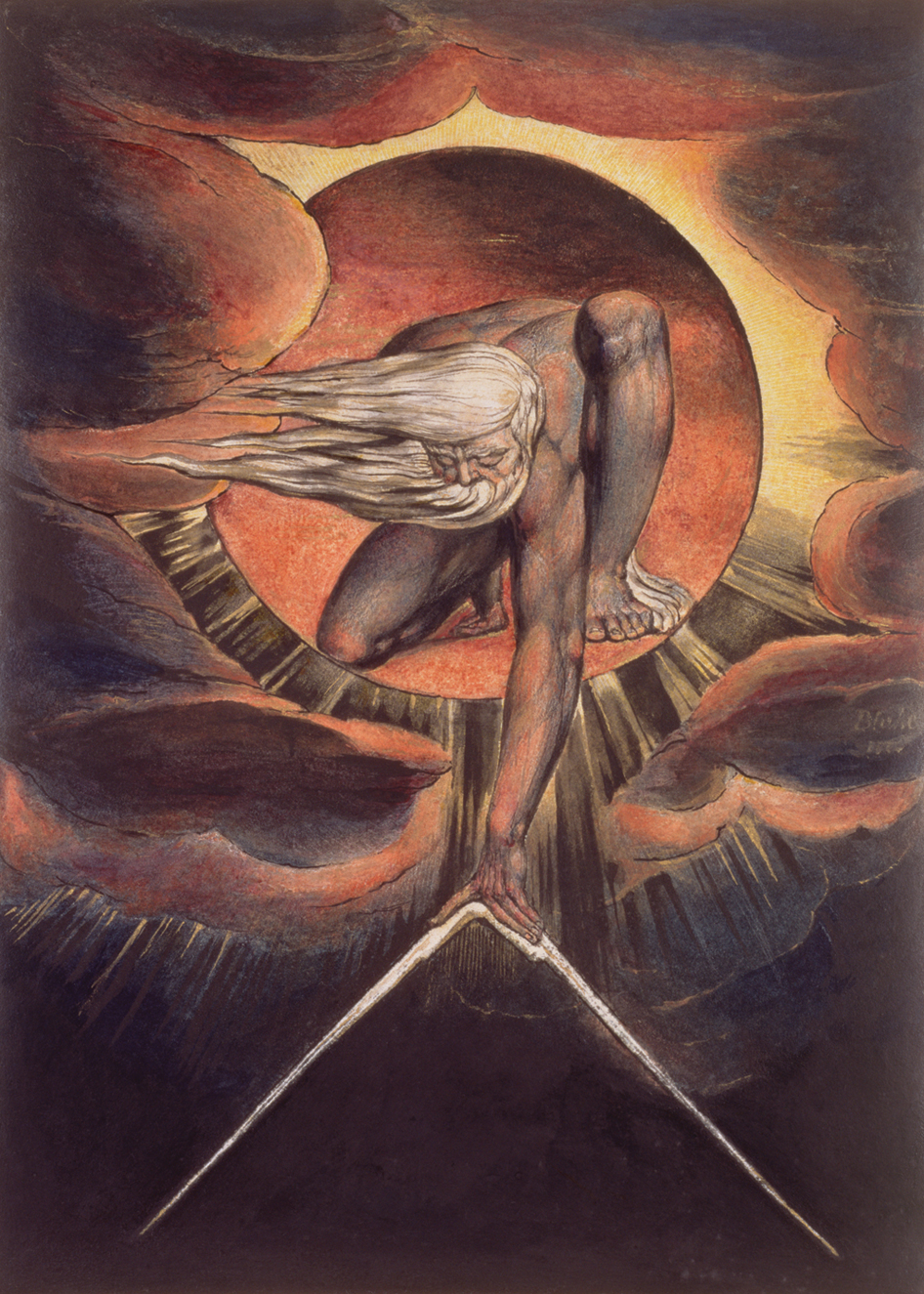
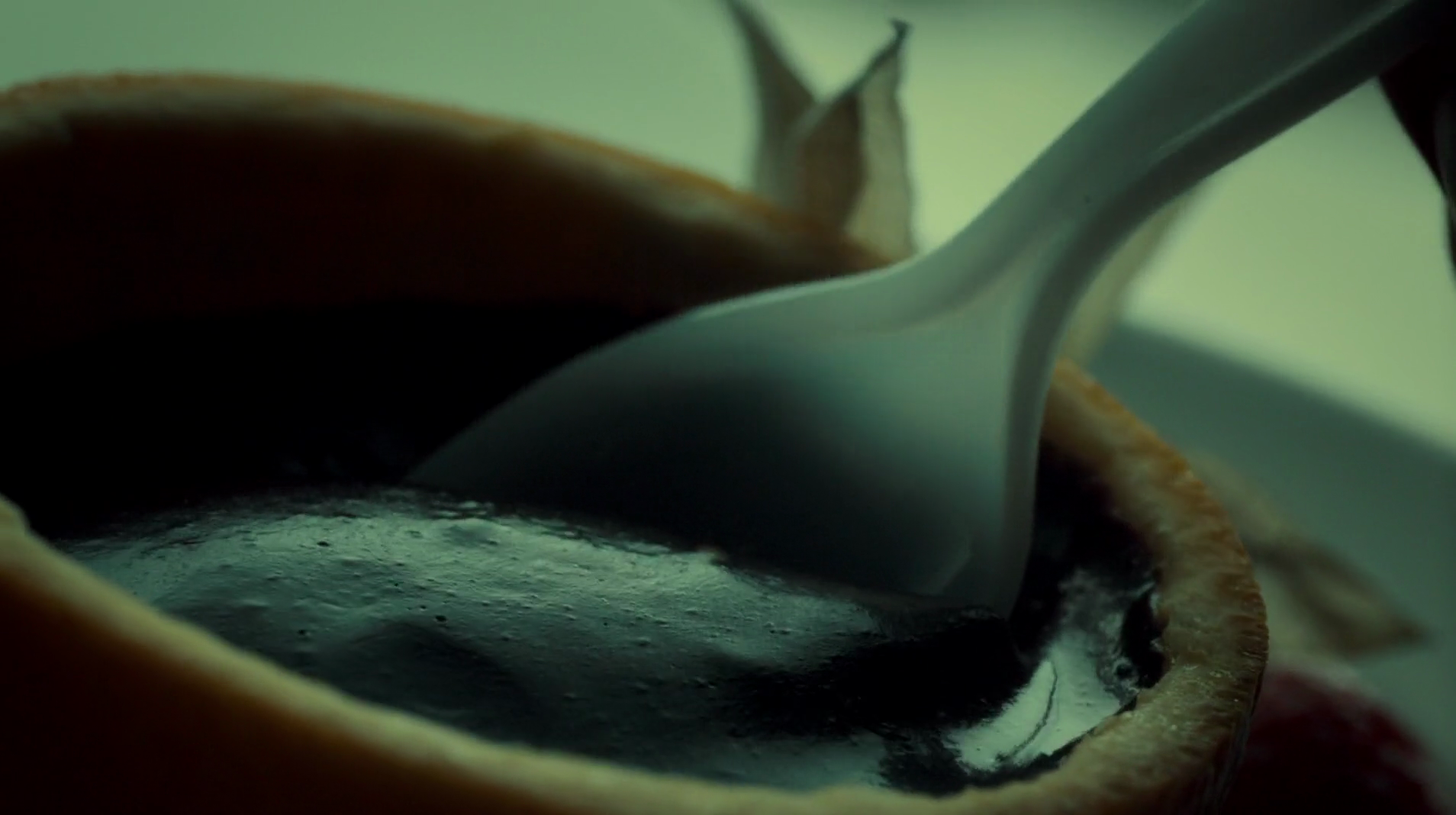 THE GREAT RED DRAGON: After thirty-three episodes named after food, we change gears abruptly to episodes named after works of art by William Blake. This episode does not designate a specific work but rather a series of four paintings in a larger series of water colors illustrating the Bible completed between 1800 and 1806 four of which have titles beginning “The Great Red Dragon.” Thankfully we still have food to illustrate this episode as part of the delightfully barmy decision to let Hannibal still cook in prison, and we can get on to the Blake works starting next episode.
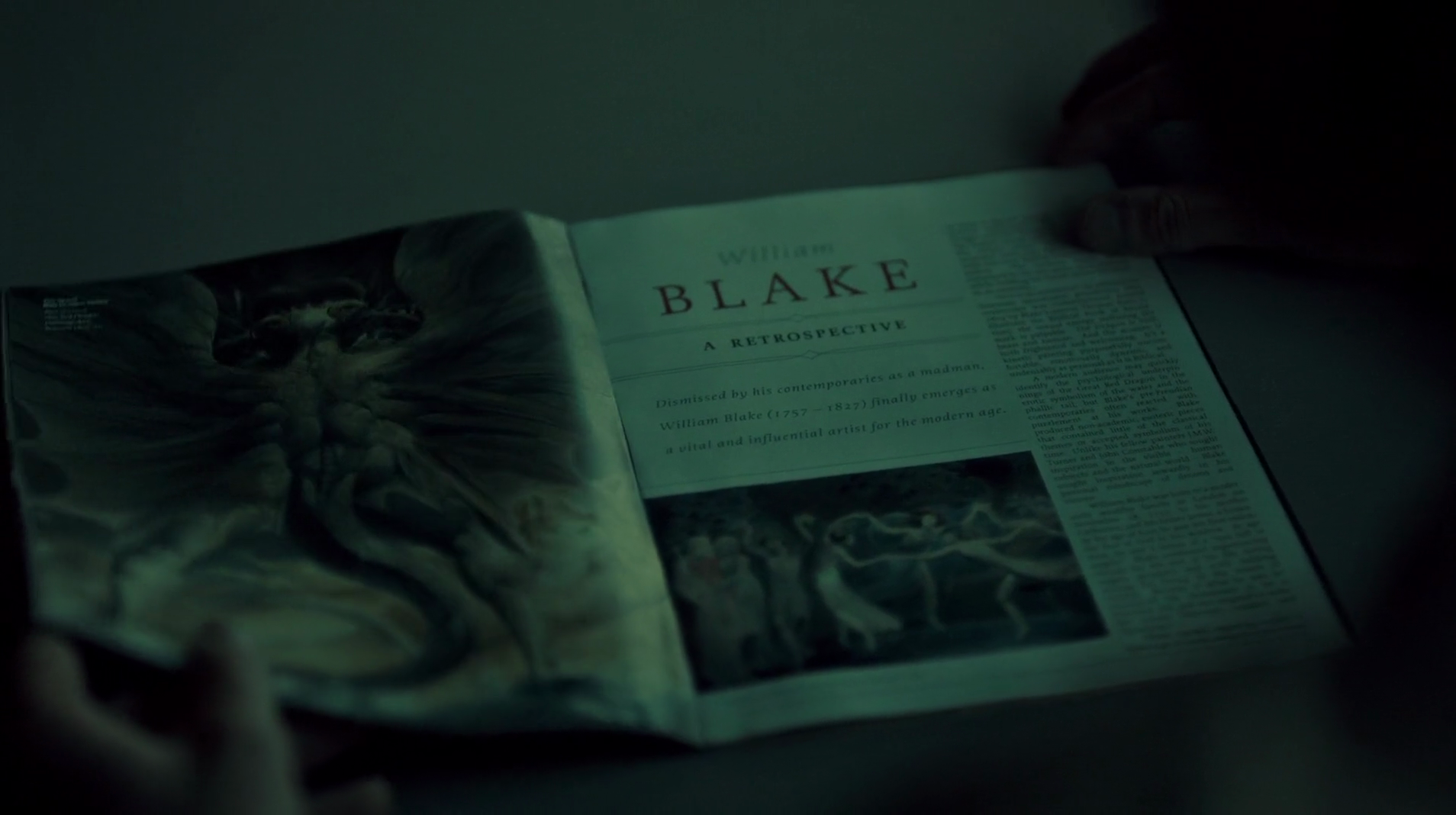
Although Time has on a few occasions in its history had articles on Blake exhibitions, he is not generally considered cover material, and if he were it seems unlikely The Great Red Dragon and the Woman Clothed with the Sun would be the image gone for. But for all its mild silliness, there’s a certain logic to having Dolarhyde encounter the Great Red Dragon in a print magazine, given that Dolarhyde exists in a constant tension with modernity, as we’ll get to.
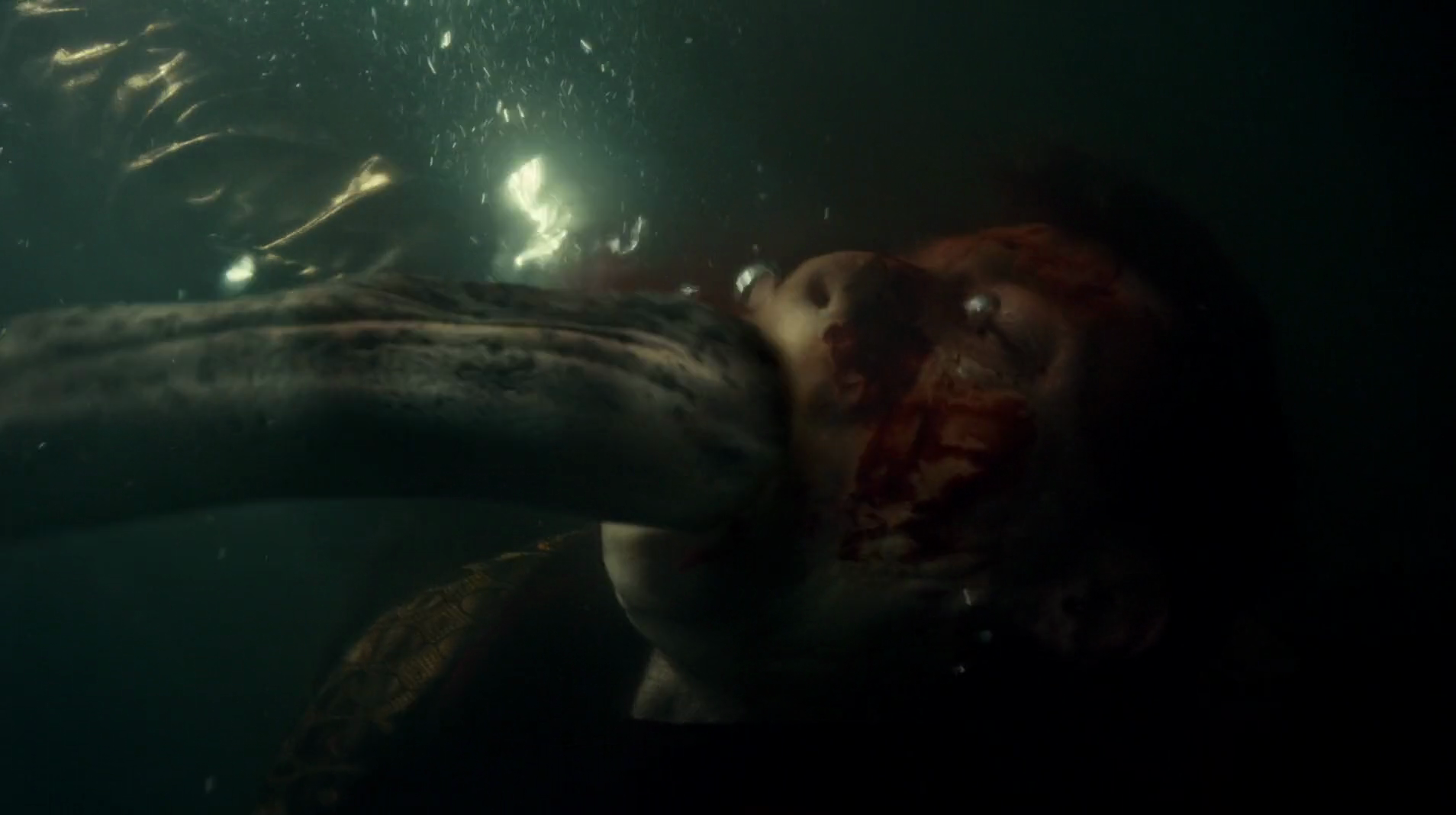
The first thing to be emphasized about Dolarhyde is his intense physicality—he is, as they say, a beast. This is something of a novelty in Hannibal—there’ve been a handful of killers whose physicality has mattered in some sense (Randall Tier and Georgia Madden spring to mind), but none where the basic threat and danger of them is so rooted in raw puissance.
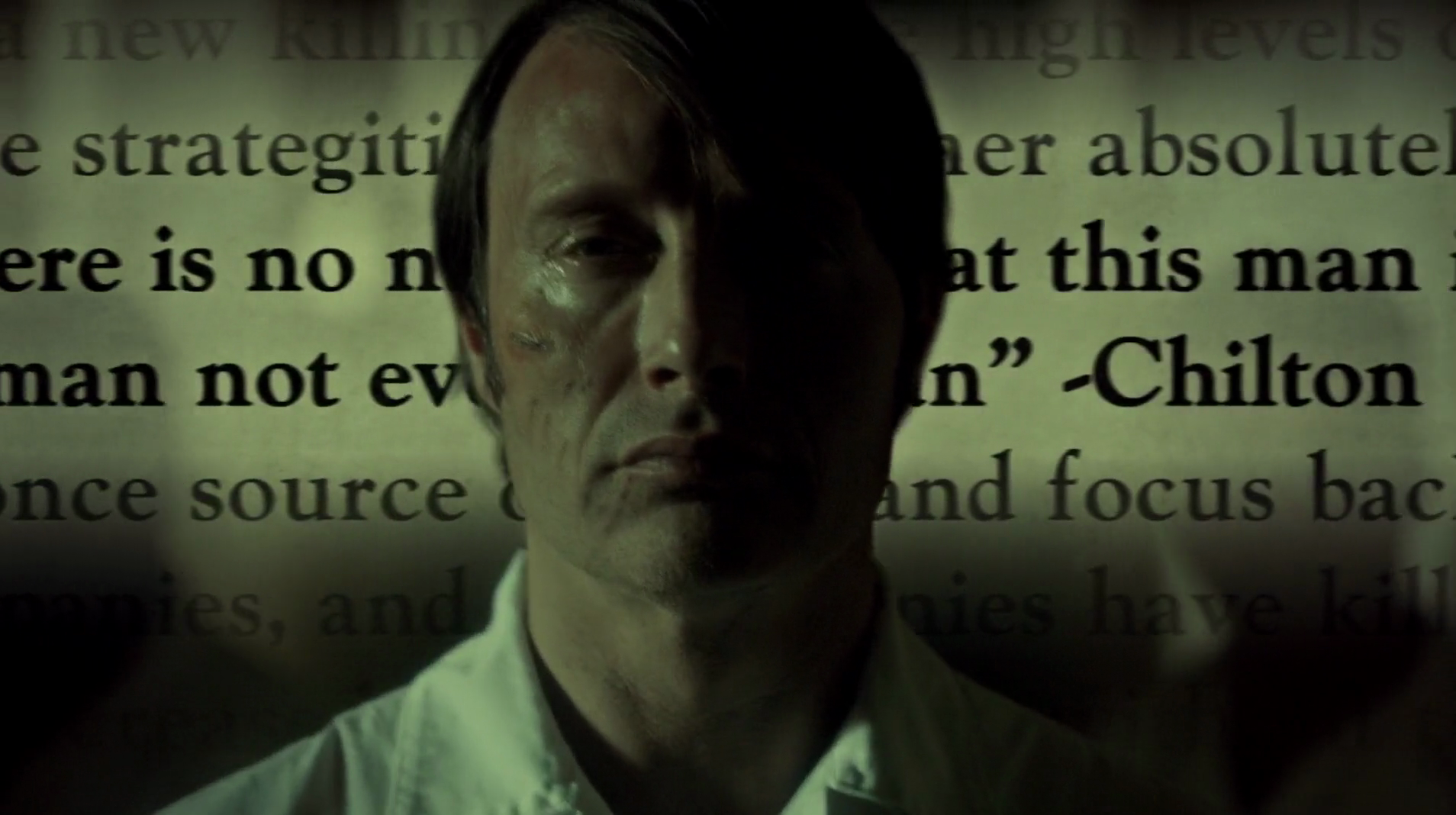
Finally the influence runs in the opposite direction as Hannibal shamelessly rips off Sherlock.
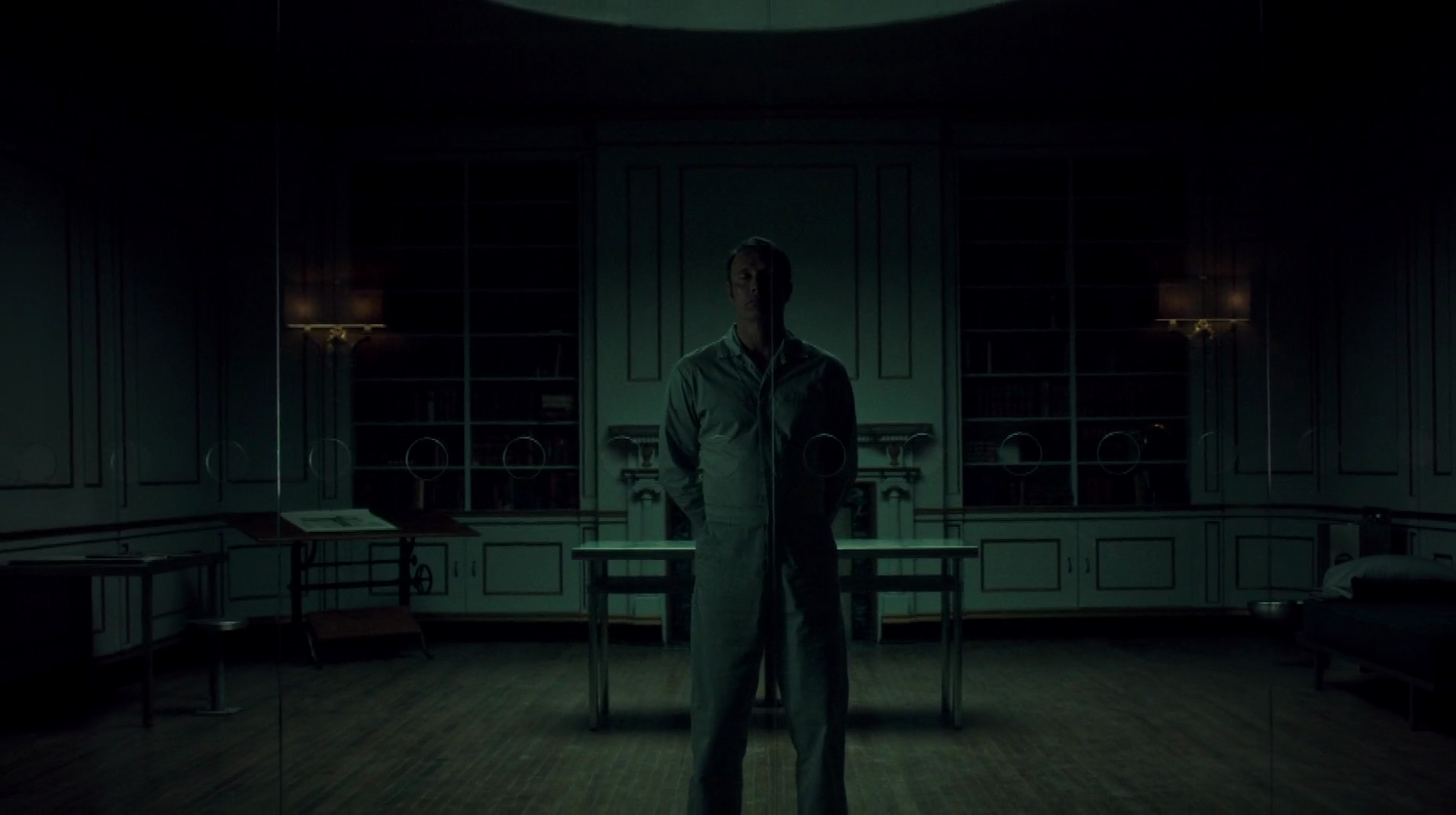
One step away from the outright defining image of Hannibal. It is notable, compared to other depictions of Hannibal in a cell, for its relative lushness—Hannibal’s cell is large and decorated with an ornateness that contrasts utterly with the Baltimore State Hospital for the Criminally Insane as depicted in Seasons One and Two, and he’s afforded a myriad of luxuries unlike the sparse hells usually associated with his incarceration. There are a number of reasons for the change. First, Hannibal here is a character we’ve spent thirty-three episodes with already, and does not need to be a beast at the heart of a terrible dungeon in order to be scary. Second, and somewhat contradictorily, Hannibal here is not monstrous in the same way as in previous versions. Hannibal has made much more peace with the inherent tension of revulsion and adoration the monster in a horror movie elicits. A grand room from which Hannibal grants audiences to lesser creatures is fully in line with what this version of the character is.
ALANA BLOOM: Congratulations, Hannibal. You’re officially insane.
HANNIBAL: There’s no consensus in the psychiatric community what I should be termed.
ALANA BLOOM: You’ve long been regarded by your peers in psychiatry as something entirely Other. For convenience, they term you a monster.
HANNIBAL: What do you term me?
ALANA BLOOM: I don’t. You defy categorization.
The previous episode asked whether Alana could ever have understood Hannibal. Certainly her attempted distinction between defiance of categorization and monstrosity points towards “no,” although the fault is just as plausibly Fuller and Lightfoot’s.…
 Another little detour, away from both the recent starwarsing (which will be continued) and from the main line of all this Austriana. Once again, this is a long version of a section of the essay ‘No Law for the Lions and Many Laws for the Oxen is Liberty’, co-written by myself and Phil for his new book
  The obvious starting point is the dualism that creatively defines the sequel trilogy, with J.J. Abrams’s faithful recitations of iconography on either end of Johnson’s far weirder and more difficult approach to doing a
  Spoilers
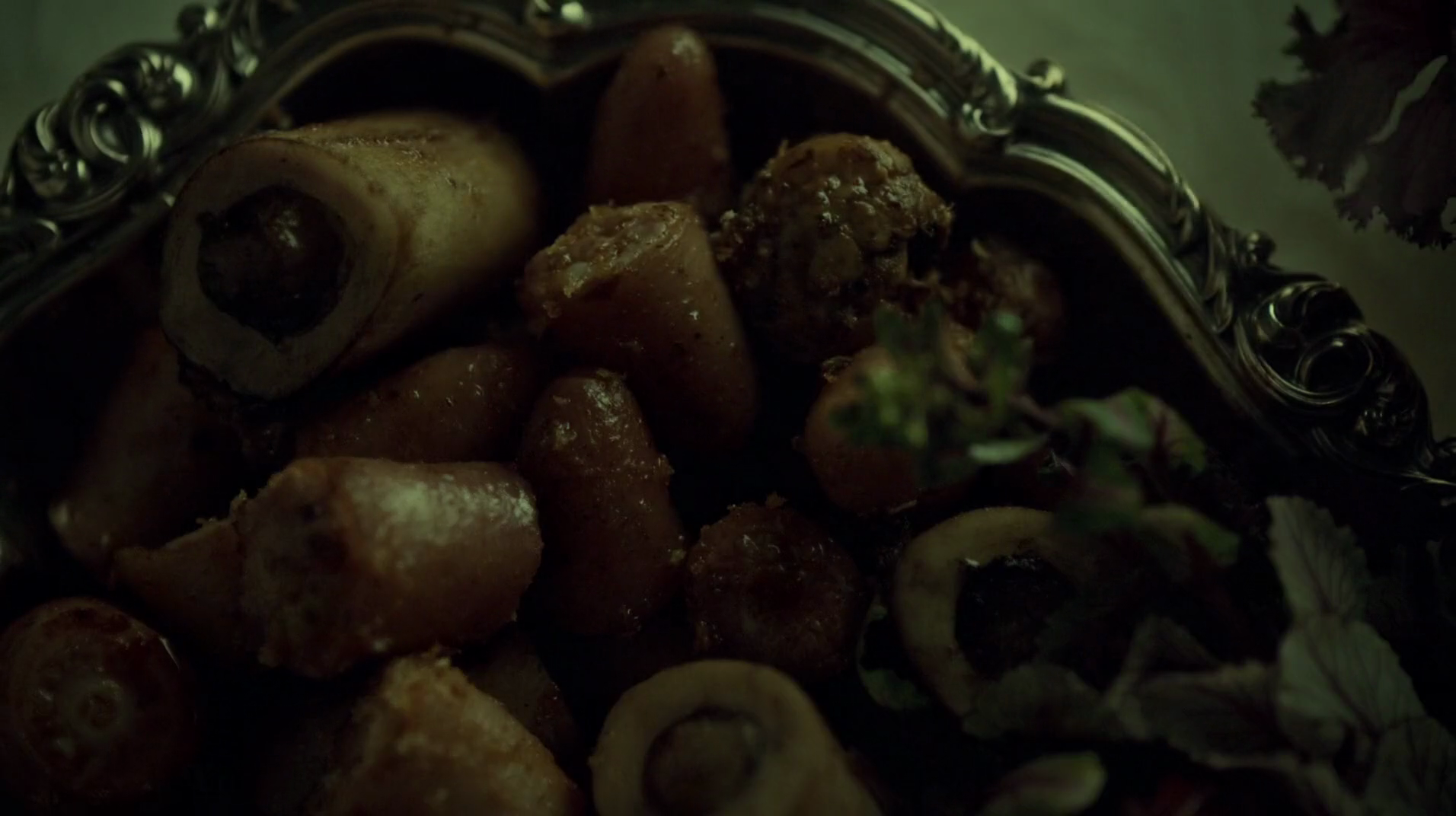
 DIGESTIVO: An after-dinner (and after-coffee) drink such as grappa or limoncello. As we’ve completed the actual Italian portion of our adaptation of Hannibal in order to return to the US, this is on the whole sensible.
 Spoilers
 DOLCE: Dessert. Nobody particularly gets their just ones here, so let’s call this a case of running out of both course names and titles in this phase of the series.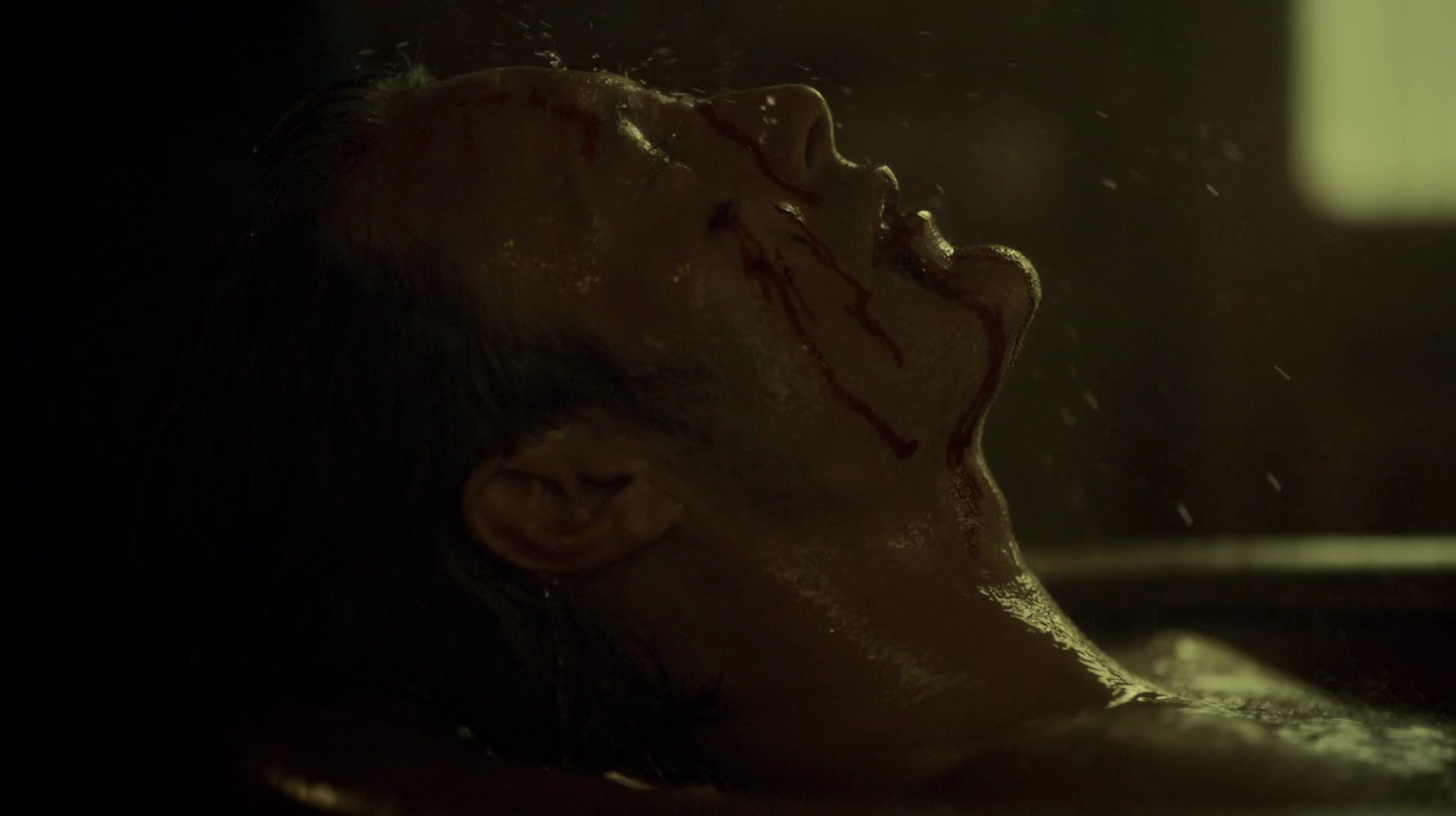
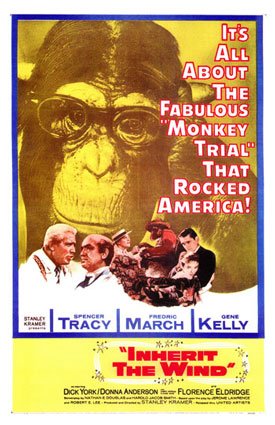 We’re back, with a proper WWA episode. Daniel’s choice this time: Inherit the Wind, Stanley Kramer’s 1960 drama loosely based on the Scopes Monkey Trial. (
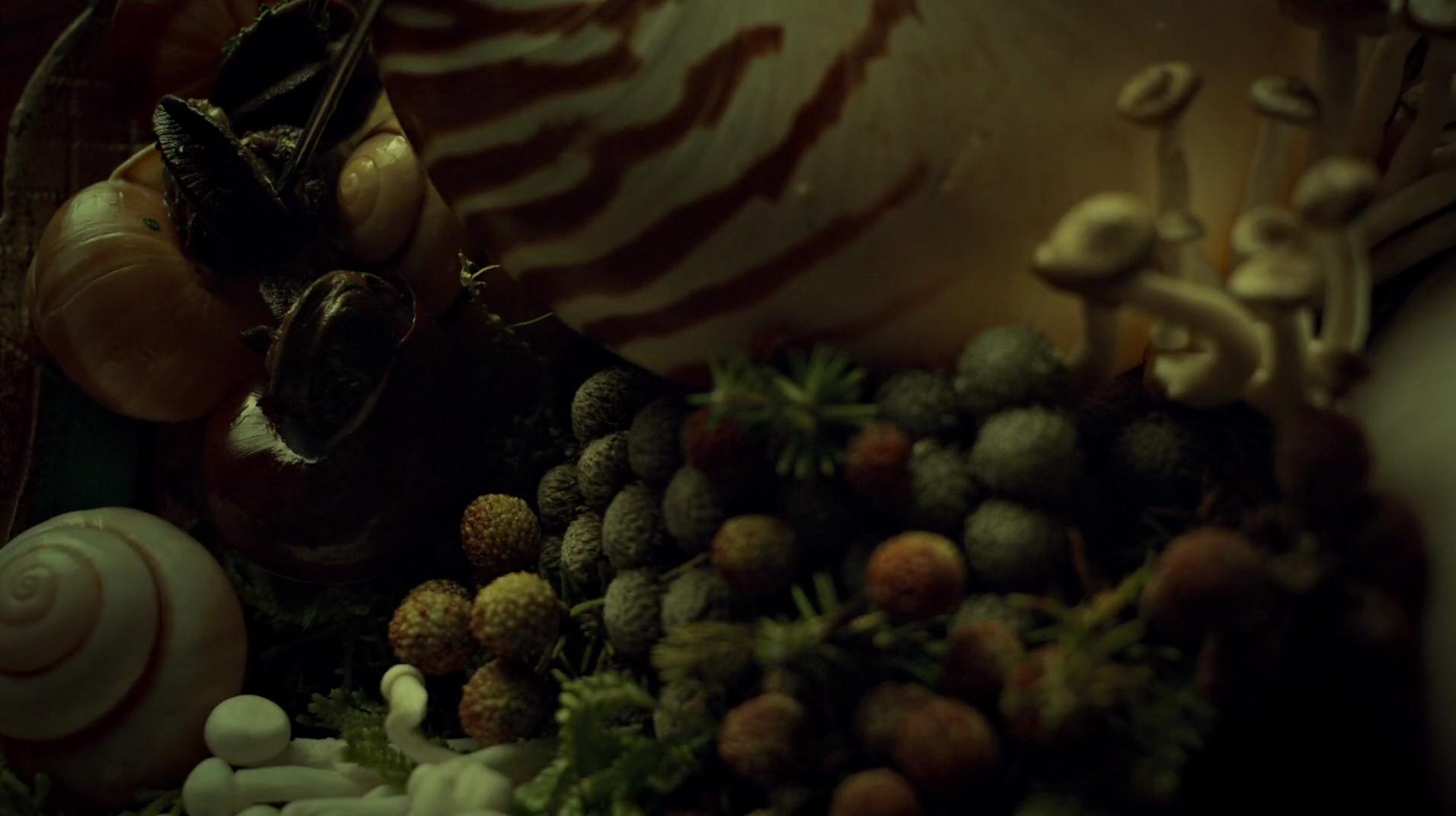 CONTORNO: A side dish, typically served with the secondo. This episode is a last chance to do small stuff before the major fireworks of the first arc of the season go off, but more to the point, as we will see, is in a meaningful sense focused on a side character.