“And the stars are old”: Descent, Part II

Last time on Star Trek: The Next Generation…
“’Descent’ marks an important turning point in a number of respects. Up front, it’s the first time Star Trek: The Next Generation has done a cliffhanger season finale more or less only because this is the sort of thing it does to close off filming block seasons; in other words, the first time the cliffhanger finale structure is implemented as a matter of course and functional habit instead of being the result of unexpected necessity.”
“This is not the same as critiquing, say Captain Picard’s specific actions in that episode: In fact, the whole reason Alynna Nechayev is here is to further reinforce that he acted wisely and correctly-Let’s not forget that Nechayev is the first Starfleet Admiral *overtly* coded as actively evil. Her very condemnation of Picard’s choice lets us know that he made the right one. Rather, what “Descent” is attacking is the notion that moral choice was ever necessary: There is no moral dilemma in regards to the sanctity of life; it should be preserved and respected above all else no matter what, end of, and ‘I, Borg’ was stupid to insinuate that wasn’t the case and to put Captain Picard and Guinan in the position of neglecting that.”
“Because what the Borg have done here in ‘Descent’ is, terrifyingly, assimilate the very concepts of individual positionality and human empathy themselves. They’ve taken two of the most sacred tenets by which Star Trek operates, ground them into the engines of capitalism and turned them back against us in an attempt to quell any resistance we could offer before we reached a point where we were prepared to effect change.
The Borg’s endgame is, and always has been, to kill off Star Trek as Star Trek: The Next Generation before it transitions to the form that will do battle with them on their own terms. And even if they were to fail here, they’d still be ready for us in the future. Either way, they win.”“And who better to mastermind it all than a psychopathic fascist android?”
And now, the conclusion…
It’s hard not to go into “Descent, Part II” without acknowledging that this is the beginning of the end for Star Trek: The Next Generation‘s televisual voyage. The news had broken over the summer, so there’s no point in pretending the shadow of cancellation wasn’t looming long over the seventh season. Let’s clarify a few facts first and foremost then: Yes, Star Trek: The Next Generation was prematurely canceled. Yes, it was canceled because Paramount wanted to launch a film series with the Next Generation cast. Production costs had gone up and, with the show as popular as it had ever been, they thought it would be more profitable to start a new film series than to continue the TV one. They were wrong.…
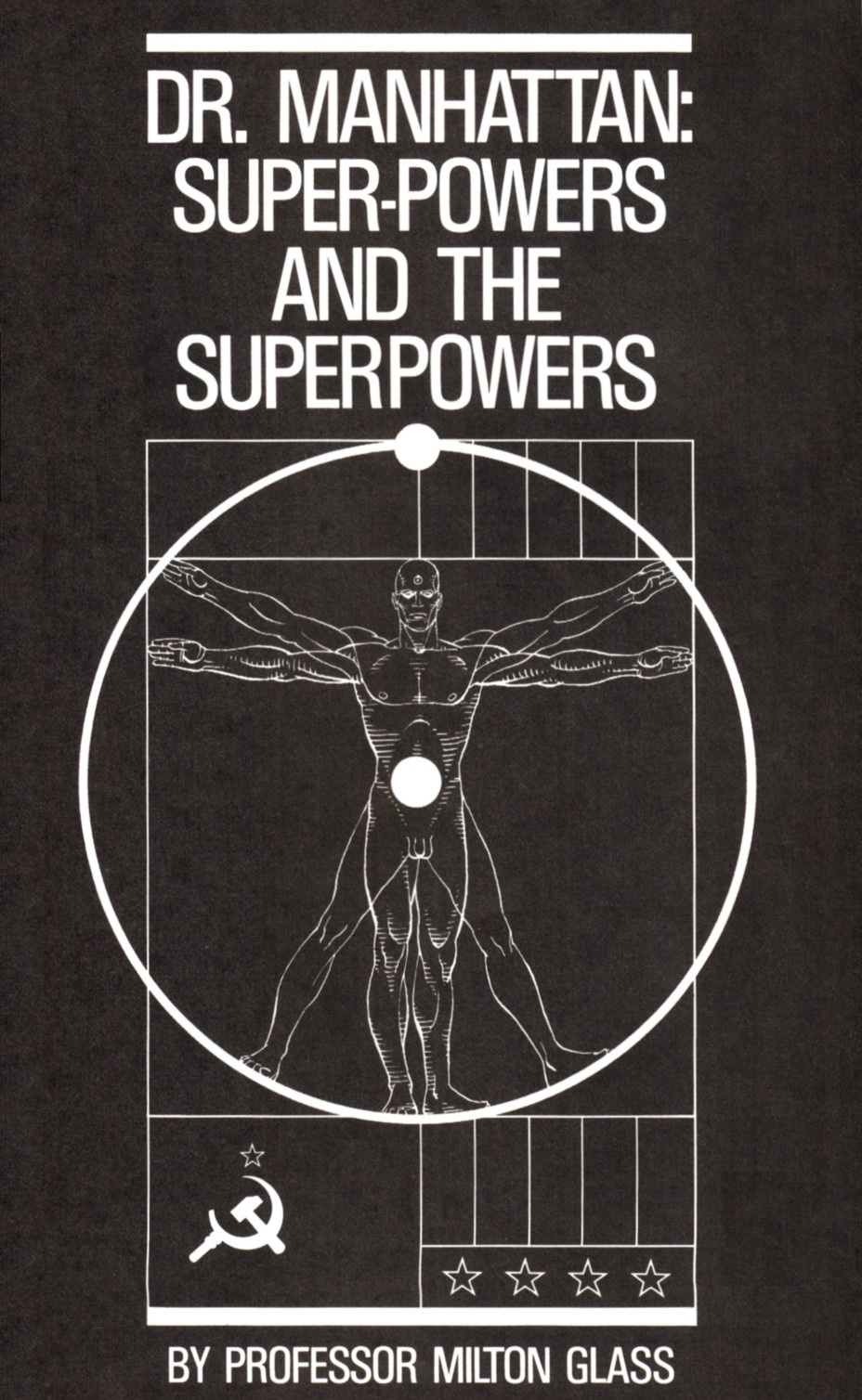 {Impressively, Alan Moore’s second publisher for Marvelman/Miracleman was an even bigger trainwreck than his first. It is perhaps unsurprising, given this, to find out that Dez Skinn negotiated the bulk of the deal. The financial plan for Warrior had always involved selling the strips to foreign markets, and Skinn was determined to sell them as a package, reasoning that “strips like Spiral Path – which I put into an anthology alongside Shandor and Bojeffries Saga – were not the stars of the show,” but that Warrior would never have happened without them and that they deserved the same shot at foreign publication as the heavy-hitters like V for Vendetta and Laser Eraser and Pressbutton. But ironically, it wasn’t the lesser Warrior material that made selling the strips abroad a challenge, but the nominal crown jewel, Marvelman, as neither of the two biggest comics publishers would touch it. DC was the obvious first choice, since they were already having considerable success publishing Alan Moore in the US market, and were indeed interested, but Dick Giordano pointed out that there was simply no way that they could publish a comic called Marvelman, citing the number of problems they were already having with Captain Marvel, which they’d bought from the smoldering ruins of Fawcett and started publishing under the name Shazam! But the obvious second choice proved no better; Marvel wouldn’t touch it either, pointing out that if they were to publish a strip called Marvelman it would be read as representing the entire company, which was perhaps not quite what they wanted Moore’s psychologically damaged take on superheroes to do.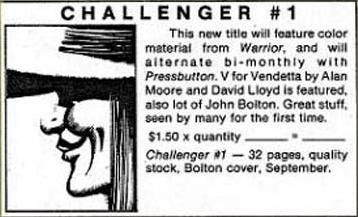
 Matt Fraction posted
 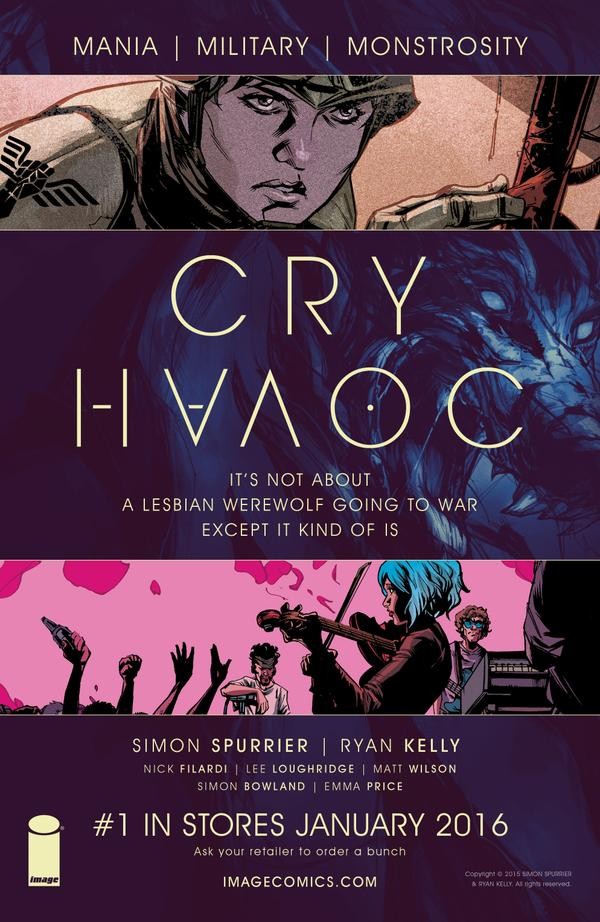 You know the drill, I’m sure.

 Weird Kitties fizzled out, but I had a few spare reviews lying around and Jane’s holiday is going to run one more week, so here they are.