
It Could Be The End of the World, But One Thing At a Time (The Return of Doctor Mysterio)
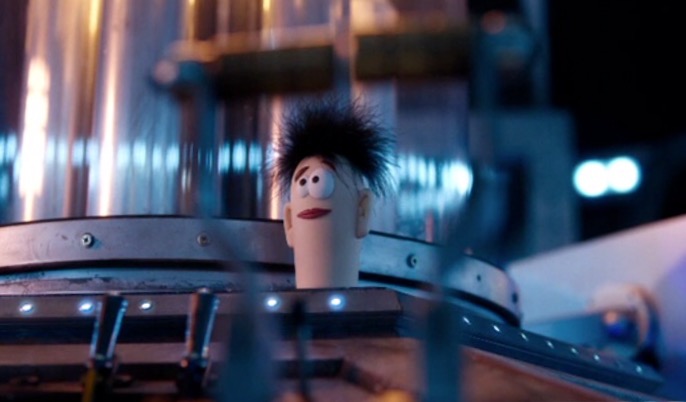 |
| Sure, yes, you feel pain, but tell me… do you bleed? |
It’s December 25th, 2016. Clean Bandit’s “Rockabye” remains at number one, while Rag ‘n Bone Man, Little Mix, Zara Larsson, and the annual re-charting of Mariah Carey also chart. In news since Class got lost, the CIA reported to Congress that Russia had interfered in the 2016 election, which President-elect Trump described as “ridiculous,” the Obama administration allowed a UN resolution condemning Israeli settlements in Palestinian territory to pass, and a riot broke out in a Birmingham prison, the worst British prison riot since the Thatcher era.
On television, meanwhile, for the first time in a year, Doctor Who. When this aired at the brutal end of 2016, suspended between Carrie Fisher’s heart attack and her death and in the immediate wake of George Michael’s, it felt like a baffling way to bring the show back after its longest gap between episodes since Rose. Two years and change later, it feels like a baffling artifact from another world. At its heart, it features Moffat making a well-earned return to autopilot. He will not phone it in for the entirety of Series 10, mercifully, but he is manifestly out of the weird, frenzied renaissance that launched with The Day of the Doctor. The ambitions of The Return of Doctor Mysterio are set firmly at “be an entertaining piece of fluff for an hour and then air a trailer for the upcoming series.” This is accomplished, inasmuch as that matters to us.
What is interesting is the utter batshit craziness of the method by which this relatively banal task is accomplished. On paper, the underlying concept of “Doctor Who does superheroes” is straightforward. They’d been the dominant genre of filmmaking for years, and were a genre Doctor Who had not meaningfully engaged with on television in forty-eight years. What that description of the concept fails to account for, however, is that Steven Moffat does not actually have the slightest interest in just dropping the Doctor into a superhero film.
There is a standard plot structure that animates most superhero films (and indeed most contemporary films in general, in the same way that Campbell provided a satisfying straitjacket to another generation) derived from Blake Snyder’s screenwriting guide Save the Cat. Extensive breakdowns of it are easy enough to find, but the basic idea is a three act structure where act one consists of a statement of theme and a main character whose life undergoes some upheaval. Act two is the main character living through this upheaval and the story relishing in its premise, ending in things going wrong for the main character. Act three is the main character successfully integrating the theme into their psyche and triumphing against the odds.
Here is what the Save the Cat beats are not. Act one: Flashback setup of one main character’s origin at the hands of the other, followed up by their reuniting later in life to face a common enemy. Act two: Extended farce about secret identities and child rearing.…

 A thing we will inevitably have to address is what it looks like for Doctor Who to respond to Trump. Or, in the UK context, Brexit, but let’s go ahead and just use Trump as a metonym for the catastrophic politics that form the backdrop of the Moffat-Chibnall handover. This is, of course, something it is not fair to ask Class to do. It’s not fair to ask most of Series 10 to do it either—Trump’s election happened late in the block where they shot Oxygen and The Eaters of Light, which was in time to work the “too orange” gag into The Pyramid at the End of the World (although more on Trump and that episode when the time comes) but nowhere near early enough for anything in this season to be conceptualized as an intentional response to his Presidency. (His campaign is a different matter.) Even with Brexit, the vote took place four days after filming started—enough to have some impact (we know that Gatiss was considering an explicitly Brexit-themed script), but still fundamentally after the series was well underway. On the whole, Series 10 emerged from the midst of 2016’s turmoil; it is the Chibnall era that exists wholly and cleanly as a post-Trump work.
.jpeg) This week we delve into the dark pit of deeply pathetic depravity that is Mike Enoch of The Right Stuff and his ‘Daily Shoah’ podcast. Big deals within the ‘alt-right’.
This week we delve into the dark pit of deeply pathetic depravity that is Mike Enoch of The Right Stuff and his ‘Daily Shoah’ podcast. Big deals within the ‘alt-right’. It’s December 3rd, 2016. Clean Bandit remain at number one. Weeknd and Daft Punk get a seond song in the top ten, while Neiked, Maroon 5 ft. Kendrick Lamar, and Bruno Mars also chart. In news, a plane crash kills the bulk of Brazillian football team Chapecoense. Donald Trump sparks a touch of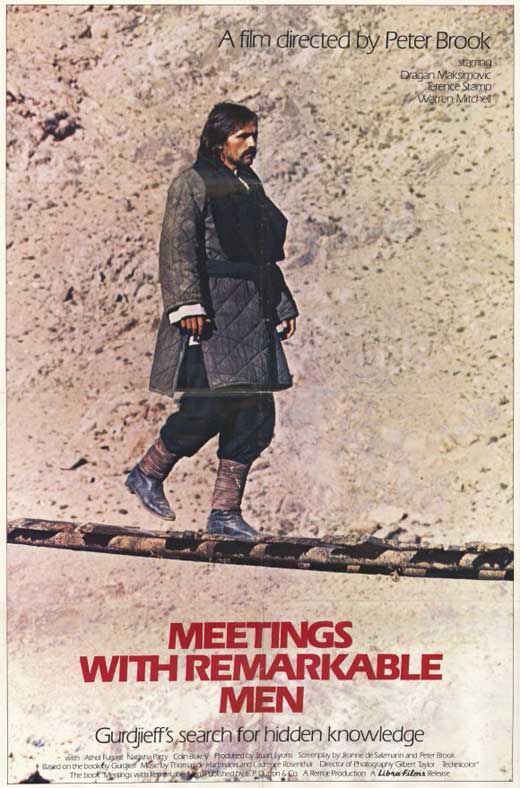
 Inside, the song is Bush paying her debts to influences and teachers. A number of musicians of the time had spiritual gurus: Pete Townshend never stopped writing songs about Meher Baba, Dave Davies followed yoga teachings, and the Beatles famously lavished Maharishi Mahesh Yogi with attention for a period. Bush touches on this fad not by leaning exclusively on Gurdjieff but by discussing the wonders of influence and being taught.